
Key Takeaways
- Mascot marketing humanizes brands, turning boring software into a relatable, interactive personality that users actually want to follow.
- Origin stories build authenticity, as seen in Duo’s creation starting as an inside office prank rather than a sanitized corporate focus group.
- Breaking corporate tone rules works when the humor aligns with your target audience’s daily frustrations and internet culture.
- Brand lore generates free marketing, encouraging superfans to build wikis, create memes, and share user-generated content organically.
- Small brands can replicate this by defining a strict, unique persona and working with a digital marketing agency to scale it.
Why Does a Passive-Aggressive Green Owl Dominate TikTok and Generate Millions?
Duolingo abandoned polished corporate speak for an unpredictable, slightly chaotic mascot. This shift turned a standard language-learning app into a cultural phenomenon.
Most brands bore their audiences with feature updates. Duo the Owl entertains them with office antics, pop culture trends, and lighthearted guilt trips about broken learning streaks. You don’t need a massive Hollywood budget to create memorable brand intellectual property (IP)—you just need a distinct personality that ignores traditional marketing playbooks.
Traditional Marketing vs. IP-Led Marketing Strategy
| Strategy Type | Brand Voice | Content Focus | Audience Reaction | Long-Term Result |
| Traditional B2B/B2C | Professional, safe, formal | Product features, discounts, company news | Scroll past, ad blindness | High customer acquisition cost |
| IP-Led (Duolingo Style) | Unpredictable, relatable, funny | Entertainment, trends, character lore | Active tagging, sharing, inside jokes | Massive organic reach, low ad spend |
How Did a Corporate Prank Create a Global Mascot?
The origin story of Duo proves that perfection is overrated and authenticity wins.
When founders Luis von Ahn and Severin Hacker were developing Duolingo, they needed an avatar to guide users. Hacker notoriously hated the color green. In a classic office prank, the design team intentionally made Duo a bright green owl.
This internal joke laid the foundation for the entire brand. Instead of spending months in committee meetings trying to design a scientifically perfect corporate logo, they went with a funny, slightly rebellious concept.
Real-world application: You do not need a multi-month focus group to find a winning brand identity. Sometimes, an authentic inside joke, a quirky team dynamic, or a bold design choice creates a far more relatable persona than a rigid corporate brainstorming session.
Why Does Brand Lore Create Superfans?
Treating a mascot like a pop-culture character builds a dedicated, meme-generating fandom.
Duo is not just a logo; he operates like a cinematic universe character with an entire Fandom Wiki page detailing his life. Canonically designed to resemble a spectacled owl, he possesses distinct personality traits: aggressively encouraging, occasionally menacing, and deeply obsessed with user streaks. Fans track his “relationships,” his various unlockable outfits (like Super Duo), and his intense, one-sided crush on pop star Dua Lipa.
Stat Block: Brand characters with consistent “lore” generate up to 3x more user-generated content (UGC).
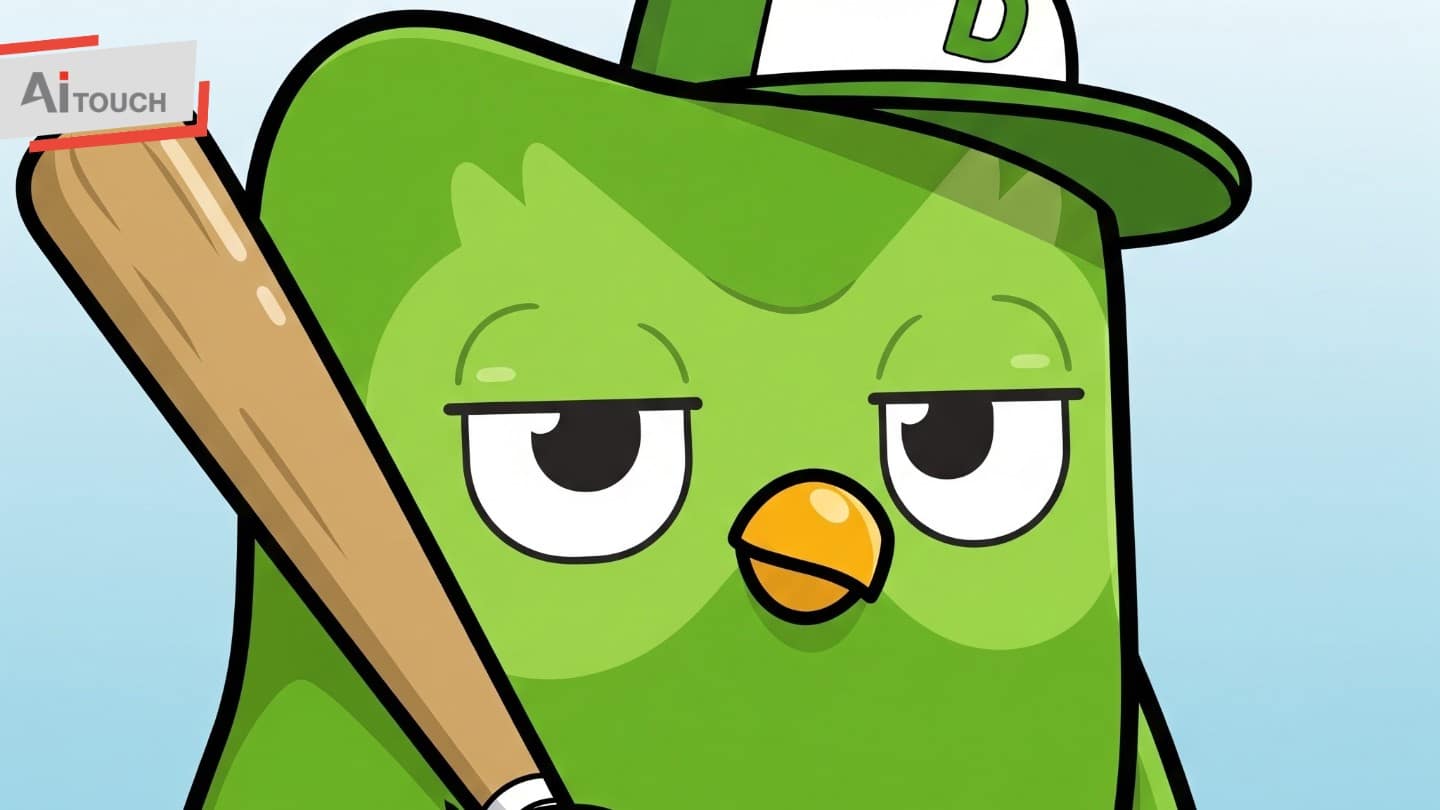
Because Duolingo gave Duo a complex, funny personality, fans actively create memes about him holding a baseball bat outside their windows or haunting their dreams. This means the community does the marketing work for the brand for free, expanding Duolingo’s reach far beyond standard ad campaigns.
How Does an “Unhinged” Brand Persona Drive Engagement?
Perfecting a chaotic, entertainment-first social media presence.
Duolingo’s TikTok account doesn’t post tutorials on how to conjugate Spanish verbs. Instead, they post videos of a giant mascot suit causing trouble in the corporate office, threatening users who forget their daily lessons, or participating in the latest viral dance trends.
By leaning into this specific internet humor, Duolingo grew its TikTok following to over 12 million, generating billions of organic views without relying on heavy paid ad spend.
This works because consumers actively ignore advertisements but share entertainment. When you build an IP, the character becomes a shield. The mascot can say and do things a CEO or corporate brand account simply cannot, creating a massive engagement loop.
Why Does Emotional Investment Keep Users Coming Back?
Turning simple push notifications into highly anticipated interactions.
Retention is the hardest metric to maintain in the app world. Duolingo solved this by tying user streaks directly to the mascot’s “feelings.”
If a user misses a day, the app sends a notification featuring a crying or disappointed Duo. This creates a playful sense of guilt. It is a brilliant psychological trigger. Users don’t log in just to learn; they log in to keep the owl happy.
Expert Insight: If you run a local e-commerce store, a branded mascot can send cart abandonment emails that sound like a friend teasing you for forgetting your items, rather than a robotic “You left something behind” prompt. Emotion drives action better than logic.
How Can Malaysian Brands Replicate This IP Success?
Applying global mascot strategies to local markets.
You don’t need to be a Silicon Valley tech giant to build a recognizable IP. A local F&B franchise or tech startup can design a character that embodies local slang, complaints, and cultural nuances.
“People connect with faces and personalities, not logos. A strong IP gives your audience someone to route for,” notes the branding team at AI Touch.
To execute this, start small. Define your character’s fears, goals, and tone of voice. Then, align your website and social channels to reflect this persona. If you need help translating this character into a high-converting digital presence, exploring professional branding and web development services ensures your mascot actually drives revenue, not just empty likes.
Still unsure how to translate a mascot idea into an actual marketing funnel? This breakdown shows exactly why personality converts better than standard copy.
Final Thoughts: Building a Mascot Marketing Strategy That Converts
Developing brand IP like Duolingo’s Green Owl requires a commitment to entertainment over direct selling. By defining a unique persona, gamifying your user interactions, treating your character like a real influencer, and maintaining character consistency, you transform your brand from a commodity into a daily habit.
FAQs
Why is the Duolingo owl green?
Duo is green because of an internal prank. The co-founder, Severin Hacker, strongly disliked the color green, so the design team intentionally chose it to tease him.
What is brand IP in marketing?
Brand Intellectual Property (IP) refers to unique, recognizable assets—like a mascot, specific character, or distinct brand voice—that a company owns and uses to build audience loyalty.
Why does Duolingo have a Fandom Wiki?
Because Duolingo gave Duo distinct personality traits, flaws, and ongoing storylines (lore), highly engaged fans created a wiki to document his outfits, behaviors, and memes, treating him like a pop-culture character.
How do you create a brand mascot?
Start by defining your target audience’s pain points. Design a character whose personality directly contrasts or playfully highlights those issues, then maintain strict brand guidelines for how they speak.
Do mascot strategies work for B2B companies?
Yes. B2B buyers are still human. A well-designed IP can simplify complex software explanations and make a traditionally dry industry highly memorable.
How can AI Touch help build my brand IP?
AI Touch provides comprehensive digital marketing and web development strategies to ensure your brand’s unique personality is consistently represented across your site and search presence.